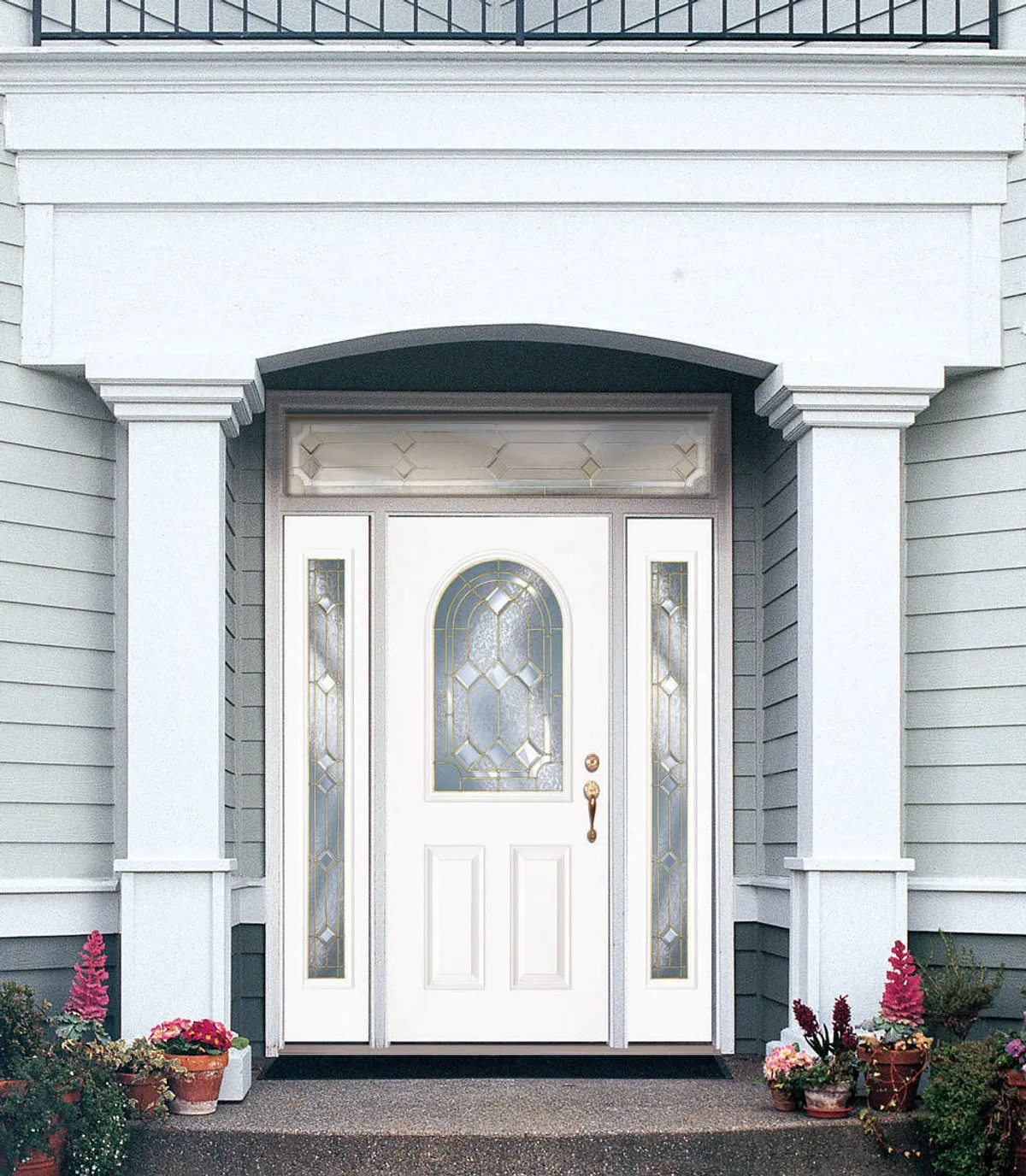
A door is more than just an entryway; it’s a crucial part of your home’s security, energy efficiency, and aesthetic appeal. Over time, doors can wear out due to weather exposure, daily use, and changing design trends. If your door is outdated, damaged, or no longer complements your home, replacing it can offer multiple benefits. Whether you’re upgrading your front door, patio door, or interior doors, understanding the process, material options, and key considerations will help you make the best decision.
Signs It’s Time to Replace Your Door
Knowing when to replace your door is essential for maintaining home security and efficiency. One of the most common signs is visible damage, such as cracks, warping, or rotting wood. These issues can weaken the structural integrity of your door, making it easier for intruders to break in or for cold drafts to seep through. If you notice an increase in your energy bills, your door may no longer provide proper insulation. Gaps around the edges, difficulty opening or closing, and condensation between glass panels are other indicators that a replacement is necessary.
Another reason to consider replacing your door is aesthetics. A dated or unattractive door can detract from your home’s curb appeal. If you’re planning to sell your house, a new front door can increase its value and attract potential buyers. With modern advancements in materials and design, you can find a replacement door that enhances both security and visual appeal.
Choosing the Right Door Material
When selecting a new door, material choice plays a critical role in durability, maintenance, and insulation. The most common options include wood, fiberglass, and steel. Each has its own set of advantages, making it important to weigh your priorities before making a decision.
Wood doors are a classic option, known for their elegance and timeless appeal. They can be stained or painted in various finishes to match your home’s style. However, wood requires regular maintenance, as it is susceptible to moisture damage and warping over time. If you prefer a natural look and don’t mind occasional upkeep, a wood door can be a great investment.
Fiberglass doors offer the best of both worlds—durability and energy efficiency. They resist warping, cracking, and dents, making them ideal for harsh weather conditions. Fiberglass doors can also mimic the look of wood, giving you aesthetic appeal without the high maintenance. These doors are energy-efficient and provide excellent insulation, helping to keep your home comfortable year-round.
Steel doors are the strongest option, providing maximum security and durability. They are resistant to fire, warping, and cracking, making them a reliable choice for homeowners prioritizing safety. Steel doors also offer good insulation, although they may dent upon impact. While they require less maintenance than wood, they may need occasional repainting to prevent rust.
Understanding the Door Replacement Process
Replacing a door involves several steps, from choosing the right design to ensuring proper installation. The process starts with measuring your existing door frame to ensure a perfect fit. Standard sizes are available, but custom doors may be necessary for unique entryways. Once measurements are confirmed, the old door is carefully removed, and the frame is inspected for any signs of damage. If the frame is in good condition, a new door can be installed seamlessly.
Proper installation is key to ensuring your new door functions as intended. A poorly installed door can result in air leaks, security risks, and alignment issues. Hiring a professional for the installation ensures precision and prevents costly mistakes. They will secure the door, add weatherstripping, and ensure proper insulation for energy efficiency.
Enhancing Security and Efficiency
One of the main reasons homeowners replace their doors is to improve security. New doors come equipped with advanced locking mechanisms, reinforced cores, and impact-resistant materials. If security is a top priority, consider upgrading to a steel or fiberglass door with a multi-point locking system. Additionally, installing a deadbolt and smart lock can provide extra protection.
Energy efficiency is another factor to consider when replacing a door. Many modern doors come with energy-efficient cores that reduce heat transfer, keeping your home warmer in the winter and cooler in the summer. Choosing a door with double or triple-pane glass can further enhance insulation while allowing natural light to brighten your space.
Conclusion
Replacing a door is an investment in both security and home aesthetics. By choosing the right material, ensuring proper installation, and upgrading security features, you can enhance your home’s curb appeal and functionality. Below is a summary of the key factors to consider:
Factor
Details
Signs for Replacement
Warping, cracks, drafts, high energy bills, difficulty opening/closing
Material Options
Wood (elegant, high maintenance), Fiberglass (durable, energy-efficient), Steel (strong, secure)
Installation Process
Proper measurements, removal of old door, professional fitting required
Security Enhancements
Multi-point locks, reinforced cores, deadbolts, smart locks
Energy Efficiency
Insulated cores, weatherstripping, double/triple-pane glass
By carefully considering these factors, you can select a door that meets your needs and adds long-term value to your home. Whether upgrading for security, efficiency, or aesthetics, a new door is a smart investment that enhances both comfort and protection.