When it comes to upgrading your home’s windows and doors, energy efficiency is one of the most important factors to consider. Efficient windows and doors not only reduce your energy bills but also improve indoor comfort and lower your carbon footprint. But how do you know which windows and doors offer the best insulation and savings? This guide will walk you through key energy efficiency ratings and help you understand why Bristol Windows’ Super Triple-E glass system is an excellent choice for Omaha homeowners.
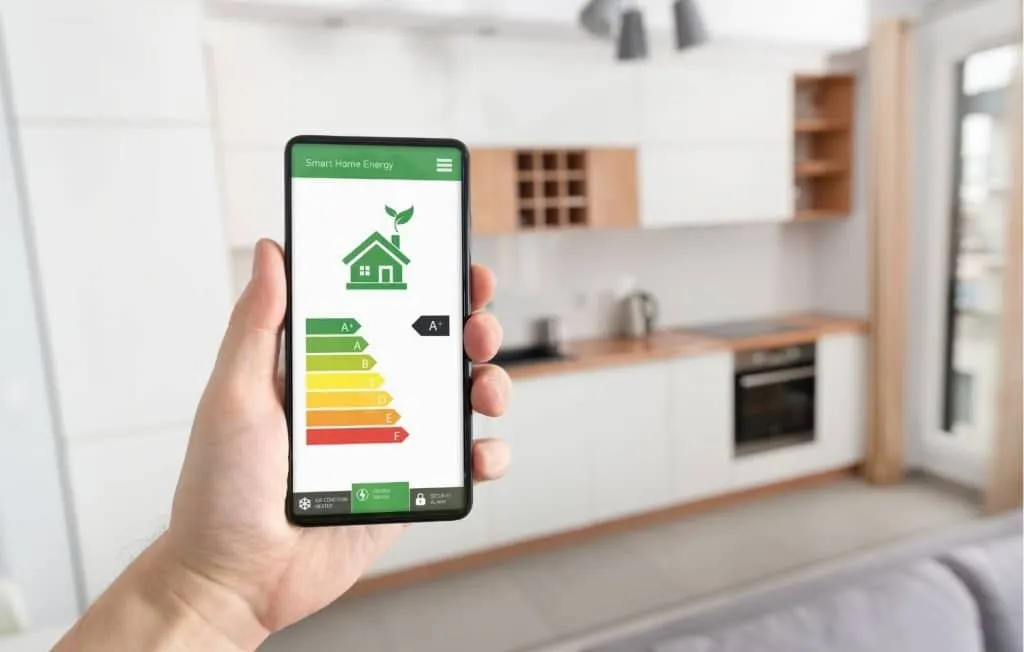
Why Energy Efficiency Matters
Over time, older windows and doors lose their insulating properties, leading to:
-
- Drafts in the winter and hot spots in the summer
-
- Increased energy consumption
-
- Higher utility bills
-
- More strain on your heating and cooling system
By installing energy-efficient windows and doors, you can significantly cut down on energy waste and enhance your home’s overall comfort.
Weather Factor in Nebraska
Nebraska’s climate experiences both harsh winters and hot summers, making energy-efficient windows crucial for maintaining indoor comfort. During winter months, temperatures can drop well below freezing, increasing heating costs. In the summer, temperatures frequently rise above 90°F, leading to higher air conditioning expenses.
By choosing energy-efficient windows, homeowners can reduce their reliance on heating in winter and cooling in summer, leading to substantial cost savings throughout the year.
Key Energy Efficiency Ratings for Windows and Doors
To compare the performance of different window and door products, look at these essential energy efficiency ratings:
1. U-Factor (U-Value)
The U-Factor measures how well a window or door prevents heat from escaping. It is rated on a scale of 0.20 to 1.20, with lower numbers indicating better insulation.
➡️ Bristol Windows’ Super Triple-E glass system has an advanced insulating design that keeps indoor temperatures stable year-round.
2. Solar Heat Gain Coefficient (SHGC)
SHGC measures how much solar radiation passes through the glass. It ranges from 0 to 1, with lower values blocking more heat from the sun.
-
- In colder climates like Nebraska, a higher SHGC can help utilize passive solar heat in winter.
-
- In warmer months, a lower SHGC prevents overheating.
➡️ Bristol’s windows feature dual Low-E layers that optimize heat reflection while preventing excessive UV exposure.
3. Low-E Coating (Low Emissivity)
Low-E coatings are microscopic metallic layers applied to glass that reduce heat transfer while allowing natural light in.
-
- Bristol Windows’ Soft Coat Low-E Layers provide the best heat reflective performance while blocking harmful UV rays that cause furniture fading.
4. Air Leakage (AL)
Air leakage measures how much outside air enters your home through windows or doors. The lower the AL rating, the better the window’s airtight seal.
➡️ Bristol’s BR50 Thermoplastic Spacer System ensures an unbreakable, non-metallic bond that significantly reduces air leakage.
5. Gas Fills (Argon or Krypton)
Energy-efficient windows often use inert gases like Argon or Krypton between panes to enhance insulation.
-
- Bristol Windows’ ALPHA-10 Insulating Gas is a special, non-toxic gas mixture that acts as an additional barrier against energy loss, condensation, and noise pollution.
6. Energy Star Certification
The ENERGY STAR label is awarded to windows and doors that meet or exceed strict efficiency standards set by the U.S. Environmental Protection Agency (EPA).
➡️ Bristol Windows exceed ENERGY STAR performance standards, ensuring you get maximum efficiency and savings.
Savings on Energy Bills Based on Nebraska’s Climate
In Nebraska, homeowners can save an estimated $250–$500 per year on energy costs by upgrading to energy-efficient windows. Here’s how:
-
- Winter Savings: High-performance windows reduce heat loss, lowering heating costs by up to 20–30% in the cold months of November–March.
-
- Summer Savings: By reflecting solar heat, these windows reduce air conditioning expenses by 10–25% from June to September.
For an average-sized home (2,000 sq. ft.), the annual heating and cooling costs are approximately $2,000–$2,500. Installing Bristol’s energy-efficient windows can cut these costs by up to $500 per year, making them a smart long-term investment.
The Benefits of Installing Bristol Energy-Efficient Windows
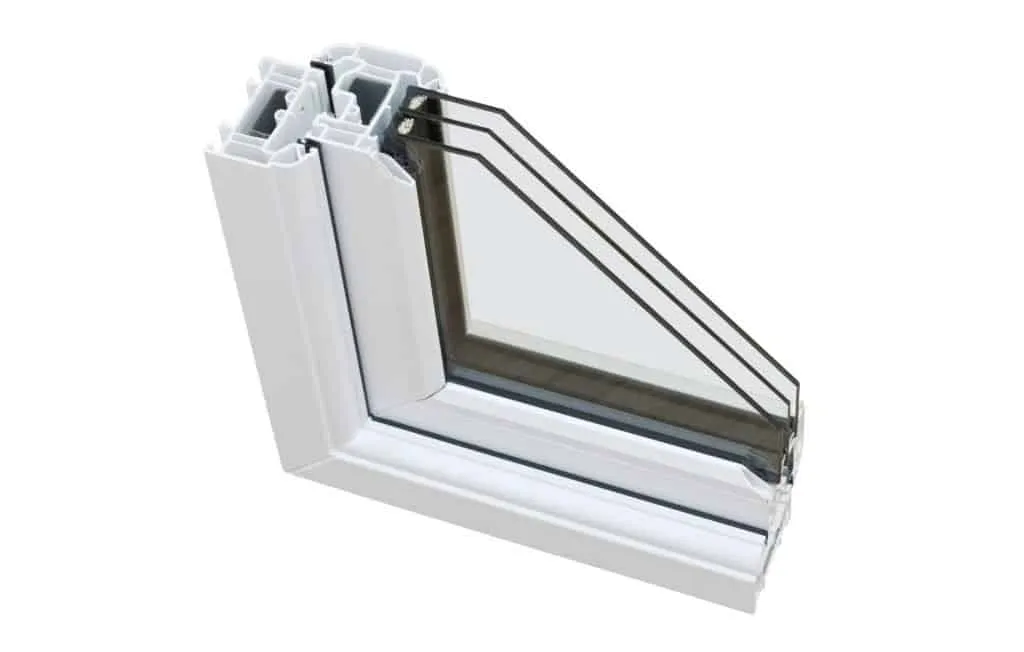
If you’re considering replacing your windows or doors, Bristol’s Super Triple-E glass system provides several advantages:
✅ Lower Utility Bills: Reduced heat transfer means your HVAC system works less, cutting energy costs.
✅ Improved Comfort: No more cold drafts or hot spots—consistent indoor temperatures all year long.
✅ Noise Reduction: Enhanced insulation helps block out street noise and other external sounds.
✅ UV Protection: Low-E coatings protect your furniture and flooring from sun damage.
✅ Increased Home Value: Energy-efficient upgrades make your home more attractive to potential buyers.
When Should You Replace Your Windows?
Here are some signs it’s time to upgrade to energy-efficient windows and doors:
-
- Your energy bills have been rising without explanation.
-
- You feel drafts near windows and doors.
-
- There’s condensation or fogging between glass panes.
-
- Your windows are difficult to open or close.
-
- Exterior noise seems louder than before.
📌 Need help deciding if your windows need replacing?
Choosing the Right Energy-Efficient Windows for Your Home
When selecting new windows, consider:
-
- Frame Material: Vinyl, fiberglass, or wood?
-
- Glass Type: Double-pane or triple-pane?
-
- Energy Ratings: Look for low U-Factor, SHGC, and ENERGY STAR certification.
🏡 Looking for custom window solutions? Explore Bristol’s energy-efficient window options here!
Understanding energy efficiency ratings helps homeowners make informed decisions when upgrading their windows and doors. With Bristol Windows’ advanced Super Triple-E glass technology, you’ll enjoy better insulation, lower energy bills, and a more comfortable home.🔥 Ready to improve your home’s energy efficiency? Contact Bristol Windows today for a free estimate!